
KV33
Also known asTomb KV33 in Valley of the Kings
DatedEst. 1539–1075 BCE
Photo Alberto-g-rovi · CC BY-SA 3.0Source file on Wikimedia Commons
Overview
About this site
What the sources say
Tomb KV33 is an ancient Egyptian tomb in the Valley of the Kings in Egypt. It is located close to the tomb of Thutmose III, KV34. The tomb dates to the mid-Eighteenth Dynasty and was used for the burial of an unknown individual. The layout is simple, consisting of descending steps and a main chamber with two adjoining rooms. KV33 was discovered by Victor Loret in 1898. The small tomb was open to visitors in the early 1900s when it was described in a tourist guidebook. In modern times, a bench was built over the entrance. In 2012 the tomb was excavated for the first time by the University of Basel's Kings' Valley Project.
Read on Wikipedia3 min readCC BY-SA 4.0
Where it sits in time
The site's dated range, placed against world reference points.
The scale is logarithmic: each step to the left is about ten times older than the last.
The full article
KV33: the whole story
In briefSources for this section
- Wikipedia (English): KV33CC BY-SA 4.0
Sources for this section
- Wikipedia (English): KV33CC BY-SA 4.0
Tomb KV33 is an ancient Egyptian tomb in the Valley of the Kings in Egypt. It lies close to the tomb of Thutmose III, KV34, high in the cliffs at the end of a side valley. It was used for the burial of an unknown individual, and its layout is simple.
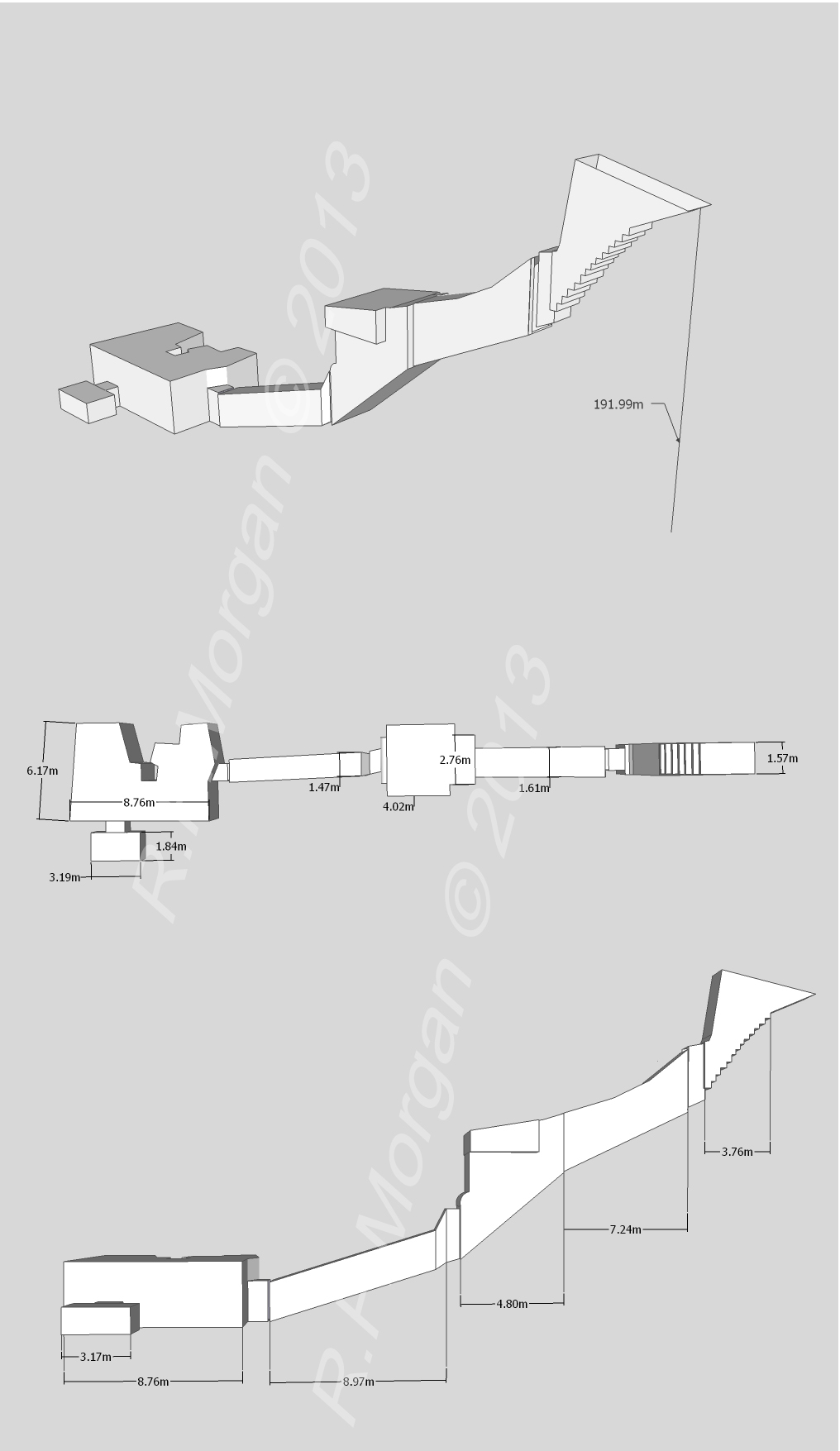
The tomb is neatly cut. It is entered by 10 well-cut steps that descend into a central chamber, off which are two side rooms. When excavated, it was filled with debris to a height of 1.2 metres (3.9 ft), washed in as two separate layers. Clearing the fill yielded large stones probably used to seal the entrance, pieces of pottery and alabaster jars, and fragmentary human remains.
Victor Loret discovered it in 1898. In the early 1900s it was open to tourists, and Baedeker's guidebook to Egypt described it as a small tomb with two empty rooms, reached by a flight of steps. In modern times a bench was built over the entrance. The University of Basel's Kings' Valley Project removed the bench and excavated the tomb for the first time in 2012.
On the basis of pottery style, the tomb can be dated to the Eighteenth Dynasty, most likely to the reign of Thutmose III. Egypt's Valley of the Kings, on the west bank of the Nile opposite Thebes, was used for tombs of pharaohs and powerful nobles of the New Kingdom for a period of nearly 500 years from the Eighteenth to the Twentieth Dynasty. Who lay in KV33 remains unknown.
SettingSources for this section
- Wikipedia (English): KV33CC BY-SA 4.0
Sources for this section
- Wikipedia (English): KV33CC BY-SA 4.0
KV33 is located close to KV34, the tomb of Thutmose III, high in the cliffs at the end of a side valley. Its layout has been known since the early 1900s when it was described in Baedeker's travel guidebook as being a "small tomb with two empty rooms, reached by a flight of steps." The tomb is neatly cut.
ArchaeologySources for this section
- Wikipedia (English): KV33CC BY-SA 4.0
Sources for this section
- Wikipedia (English): KV33CC BY-SA 4.0
KV33 was discovered in 1898 by Victor Loret. The tomb was open to tourists in the early 1900s as it is mentioned in a Baedeker's guidebook to Egypt. In modern times, a bench was built over the entrance.
KV33 was excavated in 2012 by the University of Basel's Kings' Valley Project. The modern bench covering the entrance was removed. The tomb is entered via 10 well-cut steps that descend into a central chamber, off which are two side rooms. The tomb was filled with debris to a height of 1.2 metres (3.9 ft), washed into the tomb in two separate layers. Clearance of the fill yielded large stones probably used to seal the entrance, pieces of pottery and alabaster jars, and fragmentary human remains. The tomb can be dated to the Eighteenth Dynasty on the basis of pottery style, most likely to the reign of Thutmose III.
How this page was madeSources for this section
- Wikipedia (English): KV33CC BY-SA 4.0
Sources for this section
- Wikipedia (English): KV33CC BY-SA 4.0
The summary at the top of this page was written by Claude Sonnet 5.5 (2026-11-06) from the cited Wikipedia article “KV33”. The numbers in it were checked automatically against the source text. The rest of the page is the article itself, the structured records and computed distances.
Tradition and region
About this kind of monument
Rock-cut tombs of Egypt
Egypt has some of the best-known rock-cut tombs in the world. In the Valley of the Kings, on the west bank of the Nile opposite Thebes, tombs were excavated for pharaohs and powerful nobles of the New Kingdom, for a period of nearly 500 years from the Eighteenth to the Twentieth Dynasty. The valley has two main sections, the East Valley where most royal tombs lie and the West Valley, known as the Valley of the Monkeys, and it is known to contain 65 tombs and chambers. It gained great attention after the discovery of the tomb of Tutankhamun in 1922, and became a UNESCO World Heritage Site in 1979 with the rest of the Theban Necropolis.
Much earlier, Beni Hasan in Middle Egypt is an ancient funerary site cut into the limestone cliffs on the east bank of the Nile about 20 kilometres south of Minya. In the Middle Kingdom it was the principal cemetery of the sixteenth nome of Upper Egypt, the Oryx nome, and its monumental tombs were cut roughly halfway up the cliff, overlooking the valley. Rock-cut tombs are also found at Deir el-Medina, between the Valley of the Kings and the Valley of the Queens.
The mastaba is a different tradition: a flat-roofed rectangular tomb with sloping sides, built of mudbrick or limestone, which marked the burial sites of eminent Egyptians in the Early Dynastic Period and Old Kingdom. The mastaba was built above ground and the rock-cut tomb into the cliff.
Egyptian tombs are among the best dated monuments in the Atlas, because the dynasty or reign of the king or noble who owned them is known.
When visiting, remember that access to many tombs is limited.
Paraphrased from Wikipedia: Valley of the Kings, Wikipedia: Beni Hasan, Wikipedia: Rock-cut tomb, Wikipedia: Mastaba · CC BY-SA 4.0
From the article
Dated moments in the story
- 1898
KV33 was discovered by Victor Loret in 1898. The small tomb was open to visitors in the early 1900s when it was described in a tourist guidebook.
Source - 1898
KV33 was discovered in 1898 by Victor Loret.
Source - 2012
In 2012 the tomb was excavated for the first time by the University of Basel's Kings' Valley Project.
Source - 2012
KV33 was excavated in 2012 by the University of Basel's Kings' Valley Project.
Source
Photographs
1 photograph, each with its author and licence
Lore
Evidence & Lore
What the sources actually support — and, kept apart, what has been claimed.
What the evidence supports
Dates
Est. 1539–1075 BCEHow this date was established: Type comparisonTypical range for hypogeums in Egypt; this site has not been dated itself. The Valley was used for primary burials from approximately 1539 BC to 1075 BC.Source for this date
Where it stands
Egypt
The pin marks the monument itself — its exact point.
- Coordinates
- 25°44′17″ N, 32°36′03″ EFor a GPS or map app: 25.73806, 32.60083
Access is as our sources describe it; we have not visited the site to check.
Nearby
The closest sites in the Atlas, by straight line.


Sources
Every record behind this page, with the link it came from.
3 sources behind this page
- 01Wikidata Q2719492wikidata.org
- 02Source for this dateen.wikipedia.org
- 03Wikipedia: KV33en.wikipedia.org
Image files
- Valle de los reyes-2007.JPGAlberto-g-roviCC BY-SA 3.0
Report a correctionWrong date, name, photograph or source? Tell us and it will be put right.
Around this place
The ten nearest sites, by compass
Credit
Text, licence and sources
Text from the Wikipedia article "KV33" (English), licensed CC BY-SA 4.0; authors are listed in the page history. Reused under CC BY-SA 4.0. Read on Wikipedia · Edit history and authors
- Wikipedia (English): KV33CC BY-SA 4.0
- Wikidata Q2719492CC0