.jpg/1920px-Bulgaria_Blagoevgrad_Province_Garmen_Municipality_Garmen_Municipality_Landscape_Historical_Park_Gradishte_(21).jpg 1920w)
Gradishte
Photo Камен Ханджиев · CC BY-SA 4.0Source file on Wikimedia Commons
Overview
About this site
What the sources say
Градището е праисторическото светилище, разположено в едноименната местност, край село Долно Дряново, област Благоевград.
То е сред най-древните мегалитни светилища на територията на Югоизточна Европа. Площта на скално-култовия комплекс е 500 декара и се състои предимно от скални масиви. Каменният ансамбъл от антропоморфни и зооморфни мегалитни фигури се намира на 5 km Долно Дряново по пътя за село Сатовча. Светилището заема около 20 декара с високи до 88 m скали.
Article in BulgarianRead on Wikipedia12 min readCC BY-SA 4.0
The full article
Gradishte: the whole story
In briefSources for this section
- Wikipedia (Bulgarian): Градище (Долно Дряново)CC BY-SA 4.0
Sources for this section
- Wikipedia (Bulgarian): Градище (Долно Дряново)CC BY-SA 4.0
Gradishte is a prehistoric sanctuary in a place of the same name near the village of Dolno Dryanovo, in Blagoevgrad Province, Bulgaria. It is described as one of the oldest megalithic sanctuaries in Southeast Europe. The rock-cult complex covers 500 decares and consists mainly of rock masses, while the sanctuary itself occupies about 20 decares with rocks reaching up to 88 metres high. Its stone ensemble includes anthropomorphic and zoomorphic megalithic figures and stands 5 km from Dolno Dryanovo on the road to Satovcha. According to associate professor Krasimir Leshchakov, archaeological finds date the sanctuary's construction to the late Chalcolithic period, about 7,000 years ago.
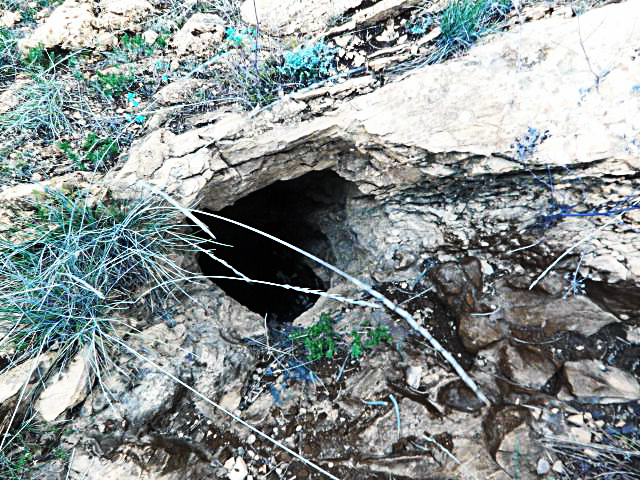
The site was discovered by Polish archaeologist professor Mieczysław Domaradzki during field research in the late 1980s. Ten years later, in 2000, professor Todor Boyadzhiev rediscovered the cult place while travelling from Gotse Delchev to Smolyan. Archaeological research began in 2000 and continued after Boyadzhiev's death under associate professor Aneliya Bozhkova and senior assistant Nadezhda Todorova, who carried out rescue test excavations from 10 to 23 April 2008. Numerous boreholes covered a total area of 150 square metres, with cultural layers measuring 0.50 to 1.50 metres in depth. Finds included wheel-thrown and handmade pottery, roof tiles, clay loom weights, a spindle whorl, an amphora, animal bones and a fragment of a piranha fish, all dated to the end of the Iron Age. Chalcolithic layers were also recorded in three natural rock clefts.
The function of the stone structures could not be determined with certainty. One possible interpretation, based on formal similarity, is that they represent burial mounds with stone fillings, but no conclusive evidence of grave structures or burials has been found. Another possibility is that the stone piles had a purely cultic and symbolic role and served as repositories for offerings left by visitors. Archaeologists also recorded many round pits, measuring 0.15 to 0.20 metres in diameter and 0.10 to 0.15 metres deep, on a southern rocky promontory, along with traces of ancient walls. A rare clay hearth with geometric and plant decoration was discovered during later excavations. According to associate professor Aneliya Bozhkova, the rock-cult complex was reused by Thracian tribes and is considerably older than Perperikon, a view she bases on preserved traces of sacrificial furnaces and perfectly round ritual cuttings arranged in shapes she interprets as constellations.
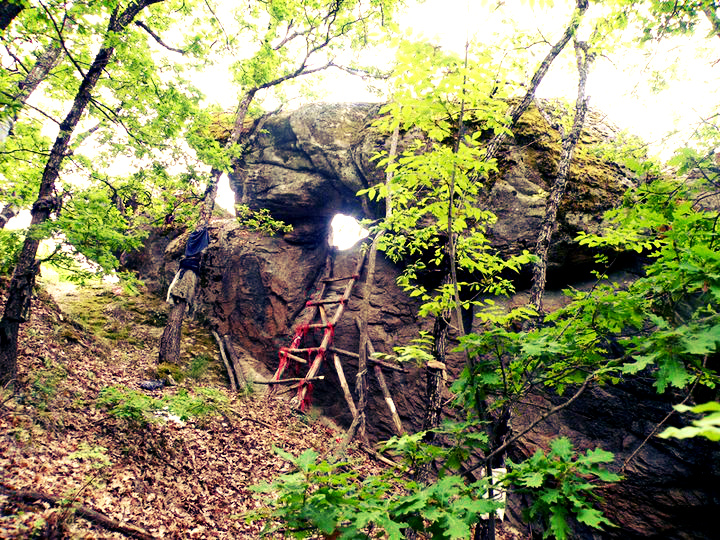
One megalithic arch near the modern entrance has been used by local Bulgarian Muslims for traditional healing and magical rites since times nobody remembers. Known as a “proviralilo,” “mushilka” or “promushvachka,” it was used for treating female infertility and other serious illnesses until 2002. Practitioners passed through the arch early in the morning at sunrise, left their old clothes inside or beside it, and left coins and red threads used to measure the sick person on the southern stone. Similar rites have been documented elsewhere in Bulgaria during the Ottoman period and are still practised by Muslims and Christians in Bulgaria and North Macedonia. The arch is built from two upright stone blocks with a third laid across them and is described as a “classic dolmen.” Studies by associate professor Aleksei Stoev, Dr Penka Maglova and Petar Stefanov indicate that the megalithic monuments are oriented along the axis of the sky opening and the eastern and western horizons, and their geometry suggests a solar calendar effect linked to daily and annual sun cycles.
Summary in EnglishSources for this section
- Wikipedia (Bulgarian): Градище (Долно Дряново)CC BY-SA 4.0
Sources for this section
- Wikipedia (Bulgarian): Градище (Долно Дряново)CC BY-SA 4.0
Gradishte is a megalith (abstract root) in Dolno Dryanovo, Bulgaria. No English Wikipedia article exists for it; the full text below is the Bulgarian article "Градище (Долно Дряново)", shown in the original language.
ДатиранеSources for this section
- Wikipedia (Bulgarian): Градище (Долно Дряново)CC BY-SA 4.0
Sources for this section
- Wikipedia (Bulgarian): Градище (Долно Дряново)CC BY-SA 4.0
Според доц. Красимир Лещаков, откритите археологически находки, отнасят датата на изграждане на светилището към късния халколит – преди около 7000 години.
ОткритиеSources for this section
- Wikipedia (Bulgarian): Градище (Долно Дряново)CC BY-SA 4.0
Sources for this section
- Wikipedia (Bulgarian): Градище (Долно Дряново)CC BY-SA 4.0
Светилището е открито от полския археолог проф. Мечислав Домарадски при теренно проучване в края на 1980-те години.
Десет години по-късно през 2000 г. проф. Тодор Бояджиев, преоткрива култовото място при едно свое пътуване от град Гоце Делчев към град Смолян – той спира случайно на отбивка по пътя и влиза в гората, където разпознава древното светилище в изобилието от зоо- и антропоморфни скални образувания и иманярски изкопи. В рамките на района на светилището са открити два пещерни заслона, които още не са проучени, а в подножието на рида Дъбраш има останки от римски път. (Голяма част от публикациите в пресата и интернет приписват откритието на проф. Бояджиев, напълно погрешно.)
Археологическо проучванеSources for this section
- Wikipedia (Bulgarian): Градище (Долно Дряново)CC BY-SA 4.0
Sources for this section
- Wikipedia (Bulgarian): Градище (Долно Дряново)CC BY-SA 4.0
Проф. Тодор Бояджиев започва своите археологически проучвания през 2000 г., а след неговата смърт разкопките в района на светилището продължават под ръководството на доц. Анелия Божкова (НАИМ) и гл.ас. Надежда Тодорова (СУ „Климент Охридски“), които в периода от 10 април до 23 април 2008 г. провеждат спасителни археологически сондажни проучвания. Научен консултант на екипа е доц. д‐р Красимир Лещаков (СУ „Св. Климент Охридски“). Извършени са множество сондажи като общата проучена площ възлиза на 150 m², като установената дебелина на културните напластявания варира от 0,50 до 1,50 m.
По време на проучването е открита битова керамика работена на грънчарско колело и на ръка, както и фрагменти от покривни керемиди, добре запазени глинени тежести за вертикален тъкачен стан, глинен прешлен за вретено, фрагменти от античен кратер, амфорна тара. Интерес представлява и фрагментирания пиранос, строителна керамика – главно покривни керемиди, както и натрошени и по‐добре запазени животински кости. Всички гореспоменати артефакти са датирани от края на Желязната епоха.
Поради ограничения характер на проучването характерът и функцията на каменните съоръжения не е бил определени със сигурност. Една от възможните интерпретации, основана на формалното сходство, е те да представляват надгробни могили с каменен насип. Трябва да се отбележи, обаче, че за момента няма категорични свидетелства за наличието на гробни съоръжения или следи от извършени погребения в границите на въпросните съоръжения. Не може да бъде изключена възможността каменните струпвания да са имали единствено култово ‐ символичен характер и да са функционирали като своеобразни депозитории за дарове поставяни от поклонниците на свещеното място.
Напластявания от периода на късната халколитна епоха са регистрирани в границите на три от открити в естествено оформени скални процепи. Керамиченият комплекс от тази епоха според археолозите е хомогенен в типологическо отношение. Открити са фрагменти от паници, купи, амфоровидни съдове, гърнета, чаши, миниатюрни форми. Специален научен интерес представлява украсата по откритите съдовете, където в декорацията са използвани разнообразни техники – врязана, набодена, отпечатана, рисувана. Предварителните резултати от обработката на керамиката, формалните белези на съдовете и основните характеристики на украсата дават основание комплексът да бъде отнесен към самия финал на късната халколитна епоха – началото на IV хил. пр. Хр. или първата половина на т.нар. Преходен период от халколит към бронзова епоха.
Според доц. Анецлия Божкова, скално-култовият комплекс е преизползван от тракийските племена населяващи района и е значително по-древен от Перперек. Основания за нейните твърдения дават запазените следи от пещи за жертвоприношения и абсолютно кръгли ритуални издълбавания дупки върху скалите, конфигурирани във формата на някои съзвездия, които тя интерпретира като „значително по-стари“, неупоменато на каква изследователска база.
ОсобеностиSources for this section
- Wikipedia (Bulgarian): Градище (Долно Дряново)CC BY-SA 4.0
Sources for this section
- Wikipedia (Bulgarian): Градище (Долно Дряново)CC BY-SA 4.0
Една мегалитна арка на територията на светилището се използва от местните българо-мохамедани от незапомнени времена за традиционни народни обредно-магически действия (за лекуване на женско безплодие и други тежки заболявания). Т.нар. „провиралище“/„мушилка“, или „промушвачка“ се използва за лекуване на женско безплодие и други тежки заболявания до 2002 г. Преминавайки през нея рано сутрин при изгрев слънце, „лекуваният“ изоставя старите си дрехи в самата арка, или край нея и остава по нови, т.е. придобива нова същност, „ражда се“ за нов живот. Оставя монети в дар за полученото здраве върху южния камък на арката. Там са поставяни и червените конци, с които предварително е измерван болния. Въпросният ритуал е наблюдаван на много места из територията на България в Османския период, като с различни изменения подобни обредно-магически действия и днес е практикуват от мюсюлмани и християни на територията на България и Република Македония. На базата на твърде спорен семантичен анализ на обреда проф. Васил Марков, го тълкува, като артефакт от обреда на обезсмъртяването в Древна Тракия, осъществяван чрез „слизане в подземния свят“. Но хипотезата му остава в рамките на една твърде широка хипер-интерпретация.
Мегалитната арка е само една от десетките каменни конструкции, сред които фигурират много зооморфни каменни фигури оприличени на земноводни, влечуги и антропоморфни скали. Проф. Бояжджиев дава условни наименования на гигантските антропоморфни мегалитни късове с форма на човешки глави като: „Тангра 1,2 и 3“, но колегите му по-скоро дискутират главите като „Владетел – 1, 2 и 3“. Каменните лица могат да бъдат забелязани само под определен ъгъл, като за учените няма съмнение, че мегалитните късове и валуни са допълнително обработвани от човешка ръка, каквато практика се среща в много от другите древни тракийски светилища като Белинташ, светилището край с. Дъждовница и др. Археолозите работили по обекта са се натъкнали на големи количества фрагментирана керамика, датирана основно от края на Желязната епоха и късната Античност.
Върху издаващ се на юг скалист нос, са изсечени множество групи ями с кръгла форма, чиито диаметър се движи между 0,15 и 0,20 m и дълбочина между 0,10 и 0,15 m. Всички мегалитни обекти са добре ориентирани по една от осите изток-запад или север-юг. При последните археологически разкопки е открит много рядък паметник – запазено глинено огнище с красива геометрична и растителна украса. Разкритите останки от древните зидове са частично консервирани.
Има предположения, че оттук е минавал търговски път, свързващ акваторията на Тасос с Пистирос (в близост до с. Ветрен).
Светилището на Дионис под връх Острец над гр. Велинград е лежало на същия древен път.
Обредно-култовите практики при мегалитното светилище са проучени в рамките на Проект „Културно-историческо наследство от земите на тракийските сатри“, в който участват „Университетски научноизследователски център за древни европейски и източносредиземноморски култури“; „Правно-исторически факултет – катедра Обща история“; „Факултет по изкуствата – катедра Музика“ при ЮЗУ „Неофит Рилски“ гр. Благоевград; Национален археологически институт с музей при БАН – секция „Тракийска археология“; Национална астрономическа обсерватория „Юрий Гагарин“; РИМ – Благоевград и ГИМ Разлог.
Археоастрономическо проучване и интерпретацияSources for this section
- Wikipedia (Bulgarian): Градище (Долно Дряново)CC BY-SA 4.0
Sources for this section
- Wikipedia (Bulgarian): Градище (Долно Дряново)CC BY-SA 4.0
Според доц.д-р Алексей Стоев, д-р Пенка Мъглова и Петър Стефанов мегалитните паметници в района на мегалитното светилище Градището са ориентирани по главната ос на светлия отвор с екстремните изгреви на Слънцето по линията на източния и западния хоризонт. Източната и западната ориентация, доминираща императивно, геометрията и съотношенията между отделните им функционални елементи показват, че в оста на тези съоръжения е кодиран слънчев календарен ефект. Общата наблюдателна практика в пространството на изследваните естествени скални арки и трилити е свързана с вероятните прогностични възможности на скалните комплекси, свързани с денонощния и годишен слънчев цикъл.
Обредни практикиSources for this section
- Wikipedia (Bulgarian): Градище (Долно Дряново)CC BY-SA 4.0
Sources for this section
- Wikipedia (Bulgarian): Градище (Долно Дряново)CC BY-SA 4.0
Мегалитната арка непосредствено след съвременния вход на обекта е описана като представляваща „класически долмен“ – съоръжение, изградено от два каменни блока, забити един до друг и трети, положен върху тях. Арката е насочена на североизток и „лови“ някои от най-ранните изгреви на слънцето на хоризонта. Забележителни са практикуваните на място до 2003 г. лекувания на болести, чрез провиране през съоръжението. Последната лечителка (баячка) изпълняваща ритуала е Атидже Саидова от с. Долно Дряново. Преди да започне обредът, баячката трябва да установи каква е болестта и от какъв лек има нужда търсещият изцеление. За тази цел лечителката размазва върху квадратна хартия пчелен мед и произнася молитви, въртейки пръст в посоката, обратна на часовниковата стрелка, като пита многократно как да помогне на болния човек. Лявото кръгово движение в семантичен план има паралели с лявата вода и лявото гергьовско хоро, като магическо действие – то се разглежда като проникване в отвъдния свят, където е скрито тайното знание и откъдето лечителката очаква отговор как да помогне – чрез лекарска помощ или намесата на християнски или мюсюлмански духовници. Наличието на пчелен мед се интерпретира като символ на Великата богиня майка от езическите религии на Източното Средиземноморие.
Точно преди изгрев слънце лечителката и болният отиват при мегалитната арка, където лечителката се приближава с молитви към арката, след това с жест приканва болният да се промуши. Провирането се извърша от горе надолу в посока от изток на запад, заедно с първите проникващи лъчи на слънцето в отвора на арката. Върху южния – ляв камък се поставят червен конец, с който предварително е измерен ръста на болния. След провирането там се оставят и монети в дар за полученото здраве. След промушването болният трябва да остави върху същия ляв камък своя стара дреха, така той „оставя“ болестта и „получава“ здраве в народните представи.
Ритуалното действие, при което се извършва провирането, проф. Васил Марков свързва в семантичен план с катабазиса – болният символично „слиза“ в подземния свят. В тази връзка според него специално внимание заслужава паралелът от древните мистериални обреди, в които мистът получава нови дрехи – в знак на ритуална чистота и духовно прераждане. Въпросната арка Марков интерпретира като символизираща утробата на майката Земя, свързана с обредно-магическо слизане в утробата на Великата богиня майка, с цел ново раждане/прераждане.
Свързаност с други археологически обектиSources for this section
- Wikipedia (Bulgarian): Градище (Долно Дряново)CC BY-SA 4.0
Sources for this section
- Wikipedia (Bulgarian): Градище (Долно Дряново)CC BY-SA 4.0
На север от Скално-култовия комплекс Градище се намира мегалитен обект носещ наименованието „Прав каминь“. Информация за откритието е постъпила в РИМ Благоевград през 2007 г. от Тодор Узунов (Сдружение САТО). Локацията на „Прав каминь“ не е разгласявана публично, с цел обектът да бъде предпазен от иманярска инвазия.
Мегалитното съоръжение се състои от монолитни каменни блокове разположени в три обособени групи при които се наблюдават следи от обредни ритуали.
Опазване, социализация и консервацияSources for this section
- Wikipedia (Bulgarian): Градище (Долно Дряново)CC BY-SA 4.0
Sources for this section
- Wikipedia (Bulgarian): Градище (Долно Дряново)CC BY-SA 4.0
При археологическите проучвания руините от древни градежи са били частично консервирани, а на обекта е назначена постоянна охрана, която да го предпазва от иманярски набези. От месец юли 2008 обектът в м. Градището съгласно действащото в Република България законодателство представлява паметник на културата.
През март 2011 г. Община Гърмен започва работа по проект „Повишаване на атрактивността на трансграничния регион Тасос – Гърмен чрез повишаване стойността на местните природни ресурси“, който се финансира по Програмата за европейско териториално сътрудничество Гърция – България 2007 – 2013 г.
Като част от проекта са проведени и археологически разкопки, с които да се установи по точно хронологията на обекта. Тези проучвания регистрира следи от човешко присъствие от края на V хил. пр. Хр. и от Късната античност (ІІІ – ІV век сл. Хр.).
ПътеводителSources for this section
- Wikipedia (Bulgarian): Градище (Долно Дряново)CC BY-SA 4.0
Sources for this section
- Wikipedia (Bulgarian): Градище (Долно Дряново)CC BY-SA 4.0
Скално-култовият комплекс се намира на 5 km от с. Долно Дряново по посока пътя за с. Сатовча и гр. Доспат. Ако се пътува през гр. Гоце Делчев към с. Долно Дряново, пътят към комплекса минава през самото село. След изхода на селото, пътят до местността е на около 5 km. Има указателна табела, а входът към комплекса е непосредствено след малка кариера за камъни.
Вижте същоSources for this section
- Wikipedia (Bulgarian): Градище (Долно Дряново)CC BY-SA 4.0
Sources for this section
- Wikipedia (Bulgarian): Градище (Долно Дряново)CC BY-SA 4.0
Прав каминь
Светилище Поповото езеро
Кара кая
Кара кая (Крибул)
Каялийските скали
Кралимаркова стъпка (Сталево)
Цареви порти
Скрибина
Али алан
Кара таш
Кози камък (Ковачевица)
Герилица (светилище)
Селанов бук
Външни препраткиSources for this section
- Wikipedia (Bulgarian): Градище (Долно Дряново)CC BY-SA 4.0
Sources for this section
- Wikipedia (Bulgarian): Градище (Долно Дряново)CC BY-SA 4.0
Фотогалерия от smolyandnes.com (Снимки от светилище Градището при с. Долно Дряново) Архив на оригинала от 2014-12-10 в Wayback Machine.
Тв репортаж на Топ Преса от откриването на „Ландшафтно исторически парк „Градище“ – общ Гърмен“
Уебсайт на проект Увеличаване атрактивността на трансграничния регион Тасос – Гърмен чрез надграждане на местните природни дадености
How this page was madeSources for this section
- Wikipedia (Bulgarian): Градище (Долно Дряново)CC BY-SA 4.0
Sources for this section
- Wikipedia (Bulgarian): Градище (Долно Дряново)CC BY-SA 4.0
The summary at the top of this page was written by MiniMax-M3 (2026-11-07) from the cited Wikipedia article “Градище (Долно Дряново)”, translated from Bulgarian. The numbers in it were checked automatically against the source text. The rest of the page is the article itself, the structured records and computed distances.
Tradition and region
About this kind of monument
Thracian rock sanctuaries of Bulgaria
In the Eastern Rhodope and Strandzha mountains of Bulgaria, rocks have been cut, carved and used as sanctuaries for thousands of years, and the Atlas lists many of them as "megaliths". The Thracians were an Indo-European-speaking people who inhabited large parts of south-eastern Europe in ancient times, including modern Bulgaria, Romania, North Macedonia, northern Greece and European Turkey, and they reused many of the sites. Strandzha has a large concentration of ruins of Thracian sanctuaries, sacrificial altars and dolmens.
Perperikon, in the Eastern Rhodope Mountains 15 kilometres north-east of Kardzhali, is an ancient Thracian city on a rocky hill 470 metres high, thought to have been a sacred place; it is described as the largest megalith ensemble site in the Balkans. In the Middle Ages it served as a fortress. Beglik Tash, a prehistoric rock sanctuary on the southern Black Sea coast north of Primorsko, was reused by Thracian tribes in the Iron Age.
Many of the places listed as megaliths here are natural rock formations. Beglik Tash is a natural rock formation of megaliths of hardened magma, from a volcano of the Mesozoic era; most of the megaliths have traces of carving for Thracian rituals, and there are the remains of a labyrinth and a "Thracian sun-clock" formed of huge stones, as well as a 150-ton rock. It is often hard to tell where nature ends and human work begins.
Dating depends on the finds in the few excavated parts, and most sites are listed with a broad range.
When visiting, look for traces of carving on the rock, and for steps and niches.
Paraphrased from Wikipedia: Thracians, Wikipedia: Perperikon, Wikipedia: Beglik Tash, Wikipedia: Strandzha · CC BY-SA 4.0
From the article
Dated moments in the story
- 2014
Фотогалерия от smolyandnes.com (Снимки от светилище Градището при с. Долно Дряново) Архив на оригинала от 2014-12-10 в Wayback Machine. Тв репортаж на Топ Преса от откриването на „Ландшафтно исторически парк „Градище“ – общ Гърмен“ Уебсайт на проект Увеличаване атрактивността на трансграничния регион Тасос – Гърмен...
Source
Photographs
8 photographs, each with its author and licence
More photographs
Where it stands
Bulgaria
The pin marks the monument itself — its exact point.
- Coordinates
- 41°35′51″ N, 23°54′55″ EFor a GPS or map app: 41.59750, 23.91541
Access is as our sources describe it; we have not visited the site to check.
Nearby
The closest sites in the Atlas, by straight line.






Sources
Every record behind this page, with the link it came from.
1 source behind this page
- 01Wikidata Q20499268wikidata.org
Image files
- Bulgaria Blagoevgrad Province Garmen Municipality Garmen Municipality Landscape Historical Park Gradishte (21).jpgКамен ХанджиевCC BY-SA 4.0
- The Head Dolno Dryanovo BG.jpgFilipov IvoCC BY-SA 4.0
- Bulgaria Blagoevgrad Province Garmen Municipality Garmen Municipality Landscape Historical Park Gradishte (22).jpgКамен ХанджиевCC BY-SA 4.0
- Arc Gradishte DolnoDryanovo BG.jpgFilipov IvoCC BY-SA 4.0
- Arc 1 Dolno Dryanovo.jpgFilipov IvoCC BY-SA 4.0
- Arc Dolno Dryanovo BG.jpgFilipov IvoCC BY-SA 4.0
- Gradishte DD BG 6.jpgFilipov IvoCC BY-SA 4.0
- Dolno Dryanovo Head.jpgChech ExplorerCC BY-SA 3.0
Report a correctionWrong date, name, photograph or source? Tell us and it will be put right.
Around this place
The ten nearest sites, by compass
Credit
Text, licence and sources
Text from the Wikipedia article "Градище (Долно Дряново)" (Bulgarian), licensed CC BY-SA 4.0; authors are listed in the page history. Reused under CC BY-SA 4.0. Read on Wikipedia · Edit history and authors