
MegalithFringe site
Bamyan
Also known asBamiyan
Datedc. 2800 BCE–600 CE*
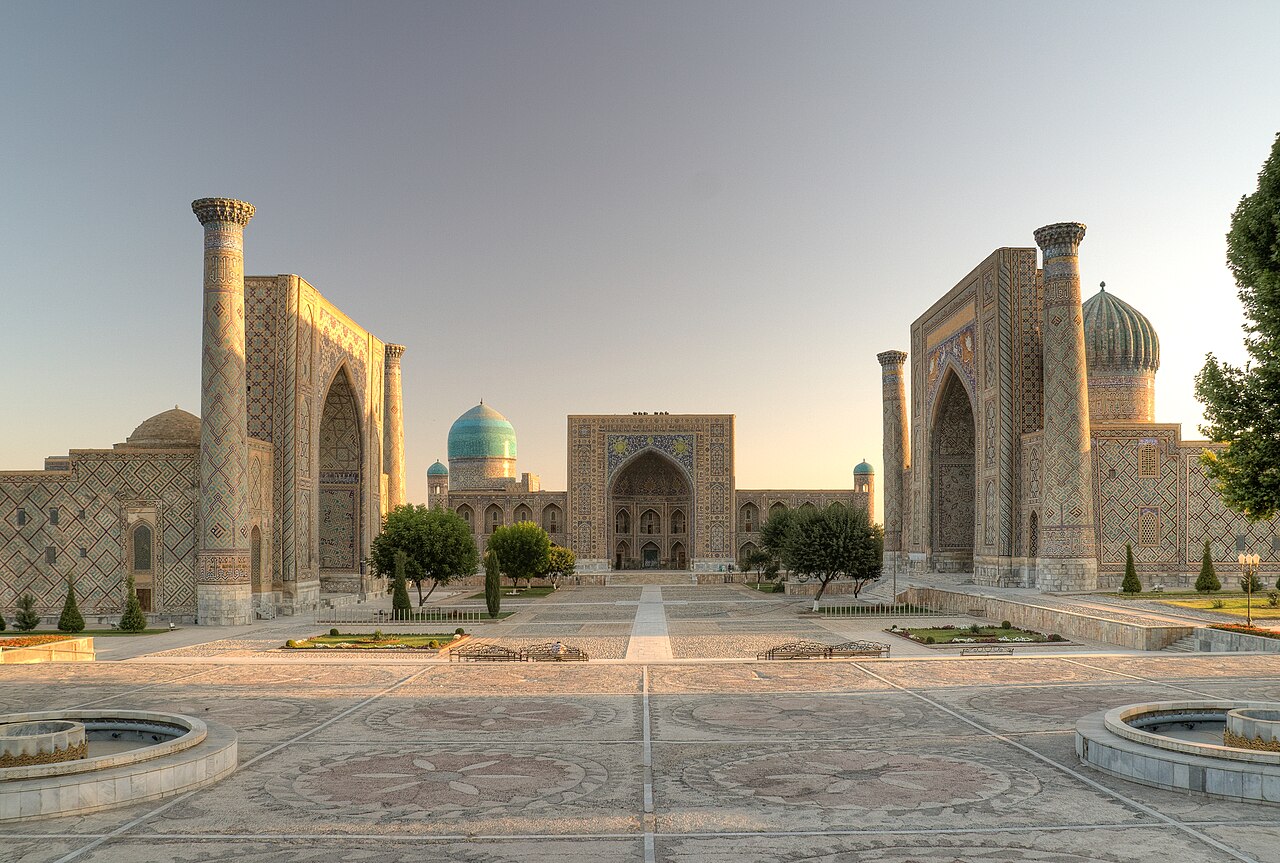
Photo Monikajoannah · CC BY-SA 4.0Source file on Wikimedia Commons
Overview
About this site
What the sources say
The other / unclassified known as Bamyan lies in Afghanistan. Other recorded names are Bamiyan. Its entries are Wikidata item Q214495; the position in the catalogue is 34.8167° N, 67.8167° E.
Built from structured records, not from an articleSources and licences
Age sources
Sources disagree on the age of this site
Sources do not agree on how old this site is. Each claim is listed with where it comes from; the mainstream reading is marked.
Range across all claimsc. 2800 BCE–600 CE*
EstimatedWhat this badge means
A reading of this site: what its style says, or a statement published about it.
- 500–600 CEPublished sourceThe two great Buddhas were carved on the rock face in the 6th century; the caves around them date from 450 to 850 AD.Source: en.wikipedia.org
- 2800 BCEWikidata inceptionSource: wikidata.org
Where it sits in time
The site's dated range, placed against world reference points.
The scale is logarithmic: each step to the left is about ten times older than the last.
The full article
About Bamyan
This kind of monument hereSources for this section
- en.wikipedia.orgCC BY-SA 4.0
- en.wikipedia.orgCC BY-SA 4.0
- en.wikipedia.orgCC BY-SA 4.0
- en.wikipedia.orgCC BY-SA 4.0
Sources for this section
- en.wikipedia.orgCC BY-SA 4.0
- en.wikipedia.orgCC BY-SA 4.0
- en.wikipedia.orgCC BY-SA 4.0
- en.wikipedia.orgCC BY-SA 4.0
The Atlas uses the heading "other" for stone monuments that fit none of its other types, and the same article serves for underground chambers that have no regional article. The records are varied. Many are ziggurats, Egyptian temples and pyramids, and Maya and Andean sites, which are treated in their own articles. What remains is a scatter of single sites in many countries whose descriptions do not allow a closer classification. The full article, “Other prehistoric stone monuments”, follows below under About this kind of monument.
DatingSources for this section
- Fringe claim sourceCC BY-SA 4.0
- Wikidata Q214495CC0
Sources for this section
- Fringe claim sourceCC BY-SA 4.0
- Wikidata Q214495CC0
The recorded date for this site is 500 CE to 600 CE, established by a published source statement. The record notes: The two great Buddhas were carved on the rock face in the 6th century; the caves around them date from 450 to 850 AD. (Source: the Wikipedia article “Bamiyan”.)
Published age claims for this site include 500 CE to 600 CE (published source); 2800 BCE (wikidata inception). The mainstream range is 2800 BCE to 600 CE. These claims disagree, so the age is treated as contested.
Landscape and neighbours
Within 10 km lie 1 other catalogued site (0 within 1 km, 1 within 5 km); none of them is of the same kind. It is one of 3 other / unclassified records among the 3 sites catalogued in Afghanistan.
The nearest neighbours in the catalogue are Buddhas of Bamiyan (1.9 km north-east, monolithic statue). The catalogue is assembled from open records and is not complete, so unrecorded monuments may lie closer.
Records and protectionSources for this section
Sources for this section
The open records used here carry no heritage designation for the site, which says nothing either way about its legal status. The open records for it are Wikidata (Q214495), where corrections and further identifiers can be added. Sites of this kind often lie on farmland or other private ground, so check local access rules before visiting and leave the monument as you found it.
How this page was madeSources for this section
Sources for this section
This page was built automatically from Wikidata (CC0) and the regional article “Other prehistoric stone monuments”, written for the Atlas from the Wikipedia articles it cites (CC BY-SA 4.0), plus distances and counts computed from the catalogue coordinates. It contains no AI-written text.
Tradition and region
About this kind of monument
Other prehistoric stone monuments
The Atlas uses the heading "other" for stone monuments that fit none of its other types, and the same article serves for underground chambers that have no regional article. The records are varied. Many are ziggurats, Egyptian temples and pyramids, and Maya and Andean sites, which are treated in their own articles. What remains is a scatter of single sites in many countries whose descriptions do not allow a closer classification.
Several of these are underground. A hypogeum is literally an "underground" temple or tomb, often with niches for cremated remains or loculi for buried remains. An early example is found at the Minoan Bronze Age site of Knossos on Crete, a beehive-shaped vault cut into soft rock. The Hypogeum of Ħal Saflieni in Paola, Malta, is the oldest example of a prehistoric hypogeum, with its earliest phase dated to 3600 to 3300 BCE. It is a complex of underground chambers, halls and passages covering about 500 square metres on three levels, partly carved to imitate temple architecture and containing extensive prehistoric art.
A rock-cut tomb is cut into an existing rock formation, usually a cliff or sloping rock face, and was a common burial form for the wealthy in several parts of the world. Famous clusters are in Egypt, Iran, Lycia in Turkey, Petra in Jordan and Sicily. Phrygian rock-cut tombs such as the Midas monument date to about 700 BCE, and Etruscan ones to about 500 BCE.
The general rule for these records is that the type tells you how a monument was made, not who made it or when. Dating is taken from the source for each site where a source gives one, and otherwise left as a broad range.
When visiting, read the site's own description first, since the Atlas can offer only a general frame.
Paraphrased from Wikipedia: Megalith, Wikipedia: Hypogeum, Wikipedia: Rock-cut tomb, Wikipedia: Stele · CC BY-SA 4.0
Photographs
7 photographs, each with its author and licence
More photographs
Lore
Evidence & Lore
What the sources actually support — and, kept apart, what has been claimed.
What the evidence supports
Dates
500–600 CEHow this date was established: Stated by the sourceThe two great Buddhas were carved on the rock face in the 6th century; the caves around them date from 450 to 850 AD.Source for this date
Where it stands
Afghanistan
The pin marks the monument itself — its exact point.
- Coordinates
- 34°49′00″ N, 67°49′00″ EFor a GPS or map app: 34.81667, 67.81667
Access is as our sources describe it; we have not visited the site to check.
Nearby
The closest sites in the Atlas, by straight line.




Sources
Every record behind this page, with the link it came from.
2 sources behind this page
- 01Wikidata Q214495wikidata.org
- 02Fringe claim sourceen.wikipedia.org
Image files
- Bamyan.jpgMonikajoannahCC BY-SA 4.0
- Black Hawk flying over a valley in Bamyan.jpgSgt. Ken Scar (U.S. Armed Forces)Public domain
- U.S. Deputy National Security Advisor meeting with governor of Bamyan province - 03092006.jpgPfc. Mary L. GonzalezPublic domain
- Afghan farmer in Bamyan.jpgSgt. Ken Scar (U.S. Armed Forces)Public domain
- Boys with bicycles in Bamyan-2012.jpgSgt. Ken Scar (U.S. Armed Forces)Public domain
- People of Bamyan-6.jpgSgt. Ken Scar (U.S. Armed Forces)Public domain
- Cultural Landscape and Archaeological Remains of the Bamiyan Valley-130368.jpgRoland LinCC BY-SA 3.0 igo
Report a correctionWrong date, name, photograph or source? Tell us and it will be put right.
Around this place
The ten nearest sites, by compass
Credit
Text, licence and sources
This page is assembled from open records (Wikidata, CC0; OpenStreetMap, ODbL) and a tradition article paraphrasing Wikipedia (CC BY-SA 4.0). No article exists for this site, and nothing here is written by a model.
- Wikidata Q214495CC0
- Fringe claim sourceCC BY-SA 4.0
- en.wikipedia.orgCC BY-SA 4.0
- en.wikipedia.orgCC BY-SA 4.0
- en.wikipedia.orgCC BY-SA 4.0
- en.wikipedia.orgCC BY-SA 4.0