
Dolmen of Guilliguy
DatedEst. 3470–2760 BCE
Photo Christian Duprez · CC BY-SA 4.0Source file on Wikimedia Commons

Overview
About this site
Overview
The Dolmen du Guilliguy is a Neolithic burial monument at Ploudalmézeau, in the département of Finistère, France. Excavation in 1992 showed it to be a tomb with a side entrance, originally surrounded by a ring of stones. Radiocarbon dates from the construction pits fall between 3585 and 3161 BCE.
Read on Wikipedia2 min readCC BY-SA 4.0
Where it sits in time
The site's dated range, placed against world reference points.
The scale is logarithmic: each step to the left is about ten times older than the last.
Article
Dolmen of Guilliguy
The entrance passage lies at the east end of the chamber and forms an angle of 90° with it.
DescriptionSources for this section
- Wikipedia (French): Dolmen du GuilliguyCC BY-SA 4.0
Sources for this section
- Wikipedia (French): Dolmen du GuilliguyCC BY-SA 4.0
The monument is 10.40 m long and oriented east to west. It was built on a rocky outcrop. The chamber measures 6.80 m in length and between 1.40 m and 1.70 m in width. It is bounded by twelve orthostats and is still covered by two capstones. The cella measures 1.80 m in length.
The entrance passage lies at the east end of the chamber and forms an angle of 90° with it. The passage meets the chamber at a slab notched like a porthole, 1.15 m high, 0.76 m wide and 0.15 m thick. A slab of matching dimensions was found in 1992, reused in the construction of a Bronze Age tomb near the entrance to the passage. The entrance is paved.
The slabs are of granite quarried on the spot from a surface outcrop, and the side that had suffered natural erosion was set facing outward. One slab bears a small cup mark 7 cm in diameter and 2.50 cm deep. Seven further small cup marks, 30 to 40 mm in diameter and 9 to 13 mm deep, are visible on a nearby outcrop; five of them are arranged in staggered rows. They were made with a metal tool.
ExcavationsSources for this section
- Wikipedia (French): Dolmen du GuilliguyCC BY-SA 4.0
Sources for this section
- Wikipedia (French): Dolmen du GuilliguyCC BY-SA 4.0
The excavation of 1992 by M. Le Goffic showed that the tomb had been surrounded by a peristalith, a ring of stones that had earlier been mistaken for a cromlech. Five blocks of it, set in an arc, remain visible.
FindsSources for this section
- Wikipedia (French): Dolmen du GuilliguyCC BY-SA 4.0
Sources for this section
- Wikipedia (French): Dolmen du GuilliguyCC BY-SA 4.0
The stone finds include several flint flake scrapers, a cutting arrowhead, two fragments of retouched blades, four flakes from polished axes of dolerite and amphibolite, and a pendant of blue-green rock. The pottery sherds were very fragmented and belong to small round-bottomed vases.
DatingSources for this section
- Wikipedia (French): Dolmen du GuilliguyCC BY-SA 4.0
Sources for this section
- Wikipedia (French): Dolmen du GuilliguyCC BY-SA 4.0
Radiocarbon dating of charcoal from the wedging pits of the slabs of the west wall of the passage gives a period between 3585 and 3161 BCE. At least two Bronze Age burials were later built close to the tomb.
Research historySources for this section
- Wikipedia (French): Dolmen du GuilliguyCC BY-SA 4.0
Sources for this section
- Wikipedia (French): Dolmen du GuilliguyCC BY-SA 4.0
The monument was mentioned as early as 1907 by Paul du Châtellier. It was listed as a historic monument by order of 4 March 1921.
Tradition and region
About this kind of monument
Megalith (type not specified)
A megalith is a large stone used to build a prehistoric structure or monument, either alone or with other stones. More than 35,000 megalithic structures have been identified in Europe, from Sweden in the north to the Mediterranean in the south, and megaliths are found worldwide. The word was first used in 1849 by the British antiquarian Algernon Herbert for Stonehenge, and comes from the Greek for "great stone". Most extant megaliths were erected between the Neolithic, with some earlier Mesolithic examples, and the Bronze Age. The oldest known ceremonial structures in the world, Göbekli Tepe and Nevalı Çori in Turkey, are dated to about 9000 BCE.
The most widely known megaliths are not tombs. The main kinds are single stones, such as menhirs and monoliths; multiple stones, such as stone circles (cromlechs) and alignments; dolmens; cists; and megalithic walls, also called cyclopean walls. Megalithic art, painted or carved on kerbstones, orthostats or capstones, is found in many parts of Western Europe, with the main concentrations in England, Malta, Ireland, Brittany and Iberia, and it is highly abstract.
Megaliths were used for a variety of purposes, from boundary markers of territory to reminders of past events, to being part of the religion of a society. Contemporary megalith-building cultures exist in Indonesia, among the Toraja and in the Marapu tradition. In the Atlas, a record marked only "megalith" lacks a more specific type, usually because the source did not say, and it receives a broad date range.
Dating relies on associated finds when a monument is excavated; otherwise it depends on shape and comparison.
When visiting, look first at the setting, and at whether the stone looks worked or natural.
Paraphrased from Wikipedia: Megalith, Wikipedia: Menhir, Wikipedia: Dolmen, Wikipedia: Megalithic art · CC BY-SA 4.0
From the article
Dated moments in the story
- 1907
L'édifice est mentionné dès 1907 par Paul du Châtellier.
Source - 1921
Il classé au titre des monuments historiques par arrêté du 4 mars 1921.
Source - 1992
La fouille menée en 1992 par M.
Source - 1992
Une dalle dont les dimensions correspondent à cette ouverture a été retrouvée lors de la fouille de 1992, elle avait été réutilisée pour construire une tombe, datée de l'Âge du bronze, près de l'entrée du couloir.
Source - 2009
Yohann Sparfel et Yvan Pailler, Les mégalithes de l'arrondissement de Brest, Rennes, Institut culturel de Bretagne et Centre régional d'archéologie d'Alet, coll. « Patrimoine archéologique de Bretagne », 2009, 290 p.
Source
Photographs
1 photograph, each with its author and licence
Lore
Evidence & Lore
What the sources actually support — and, kept apart, what has been claimed.
What the evidence supports
Dates
Est. 3470–2760 BCEHow this date was established: Type comparisonTypical range for megaliths in Kingdom of the Netherlands; this site has not been dated itself. Dutch hunebedden were built between 3470 and 3250 BC and were used until about 2760 BC.Source for this date
Where it stands
Kingdom of the Netherlands
The pin marks the monument itself — its exact point.
- Coordinates
- 48°33′15″ N, 4°42′11″ WFor a GPS or map app: 48.55419, -4.70304
Access is as our sources describe it; we have not visited the site to check.
Nearby
The closest sites in the Atlas, by straight line.
 Mégalithes du Guilliguy2800–1800 BCE
 Guilliguy standing stone2800–1800 BCE
 Tumulus de l'île Carn5000–3000 BCE
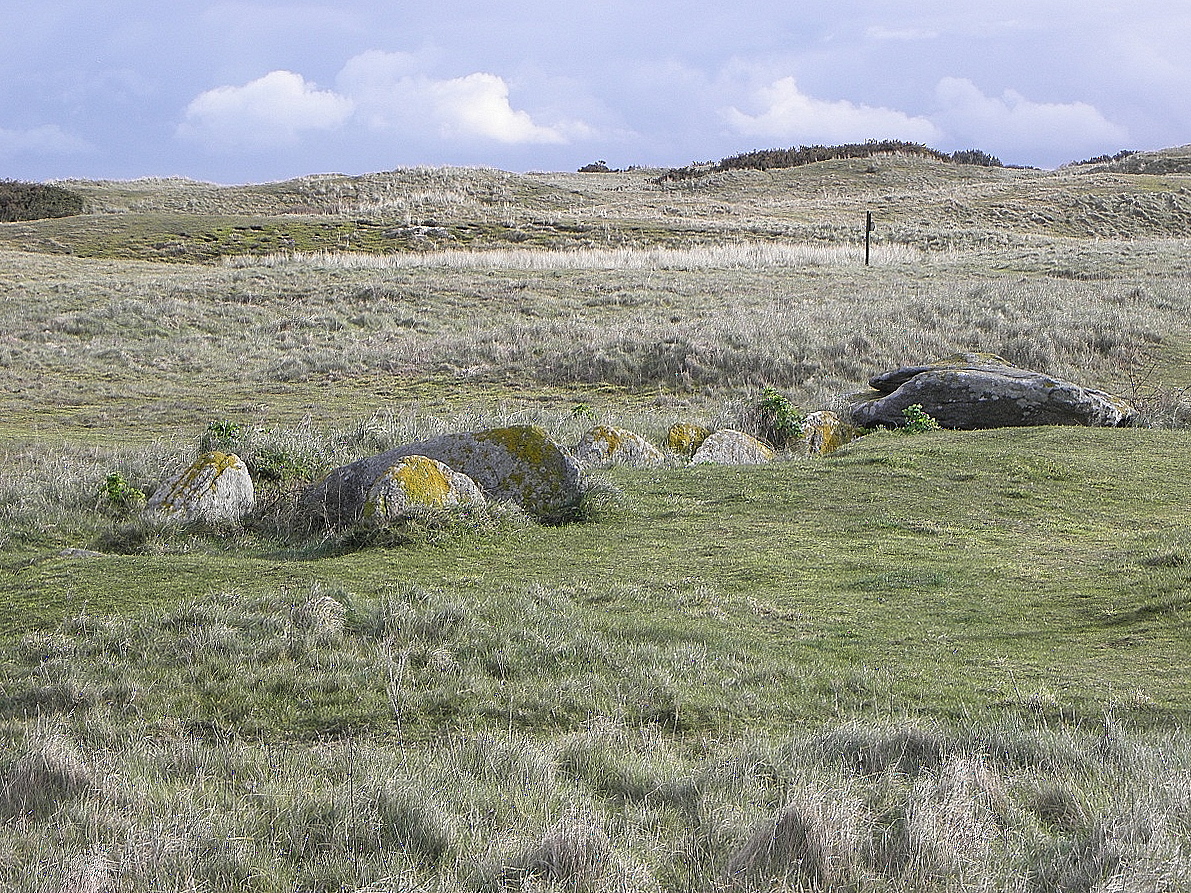
Photo: Uuetenava ( talk ) 21:22, 29 August 2013 (UTC) · CC BY-SA 3.0
 Allée couverte de Pont-ar-Bleiz4500–3300 BCE
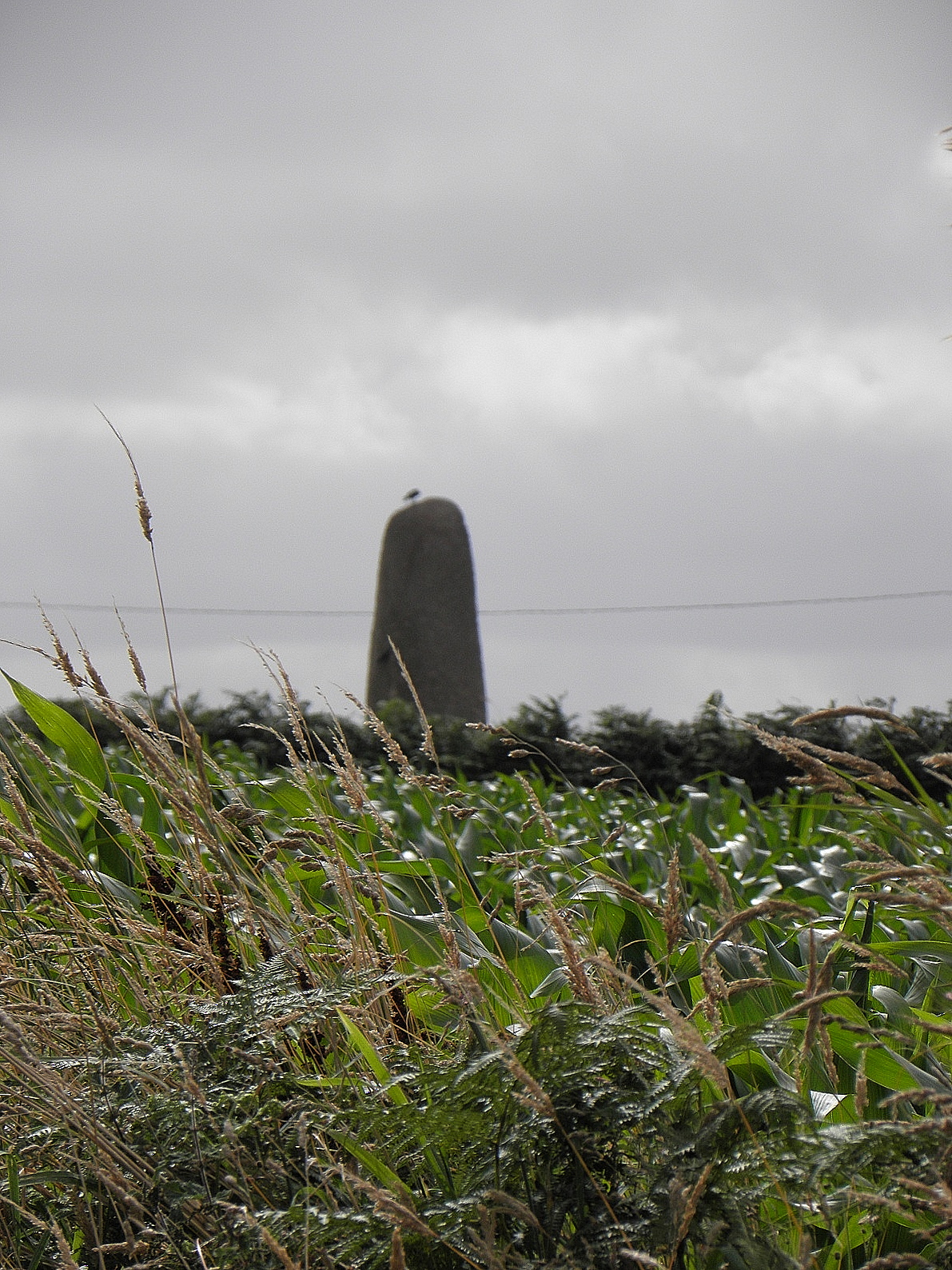 Menhir de Saint-Gonveld2800–1800 BCE
 Saint-Gonvel dolmen4000–3000 BCE
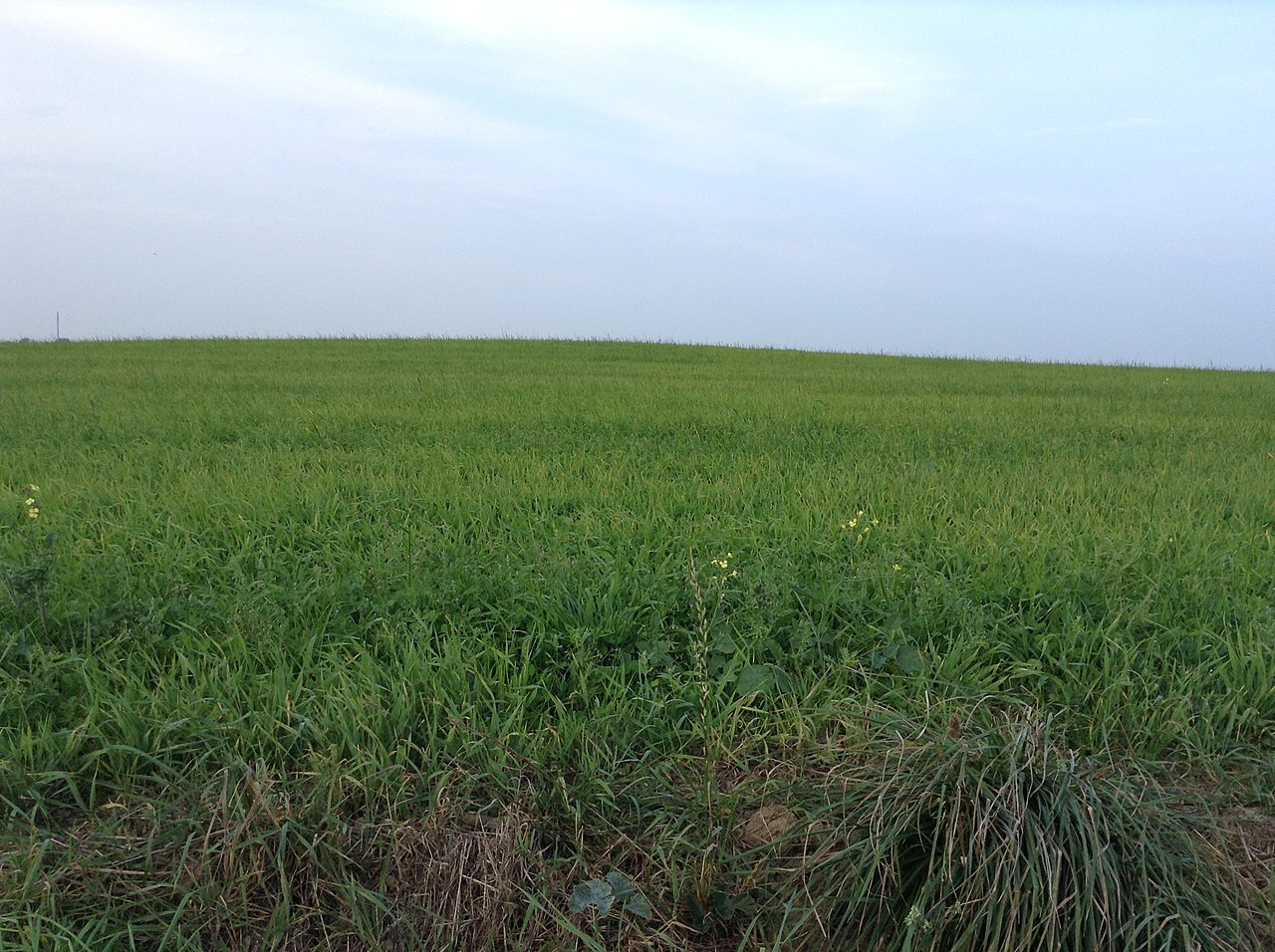 tumulus de Rubrat Huella5000–3000 BCE
 Menhir de Kérhouézel2800–1800 BCE


Sources
Every record behind this page, with the link it came from.
2 sources behind this page
- 01Wikidata Q109312766wikidata.org
- 02Source for this dateen.wikipedia.org
Image files
- Dolmen Guilligui02.jpgChristian DuprezCC BY-SA 4.0
Report a correctionWrong date, name, photograph or source? Tell us and it will be put right.
Around this place
The ten nearest sites, by compass
- Mégalithes du Guilliguy<0.1 km NW
- Guilliguy standing stone0.1 km SE
- Tumulus de l'île Carn2.4 km N
- Allée couverte de Pont-ar-Bleiz4.2 km NE
- Menhir de Saint-Gonveld4.4 km SW
- Saint-Gonvel dolmen5.0 km SW
- tumulus de Rubrat Huella5.4 km S
- Menhir de Kérhouézel6.0 km SW
- dolmen de Beg-ar-Vir6.6 km SW
- Menhirs of Pors Ar-Verret6.7 km SW
Credit
Text, licence and sources
Adapted from the Wikipedia article "Dolmen du Guilliguy" (French), licensed CC BY-SA 4.0; authors are listed in the page history. Reused under CC BY-SA 4.0. Read on Wikipedia · Edit history and authors
- Wikipedia (French): Dolmen du GuilliguyCC BY-SA 4.0
- Wikidata Q109312766CC0