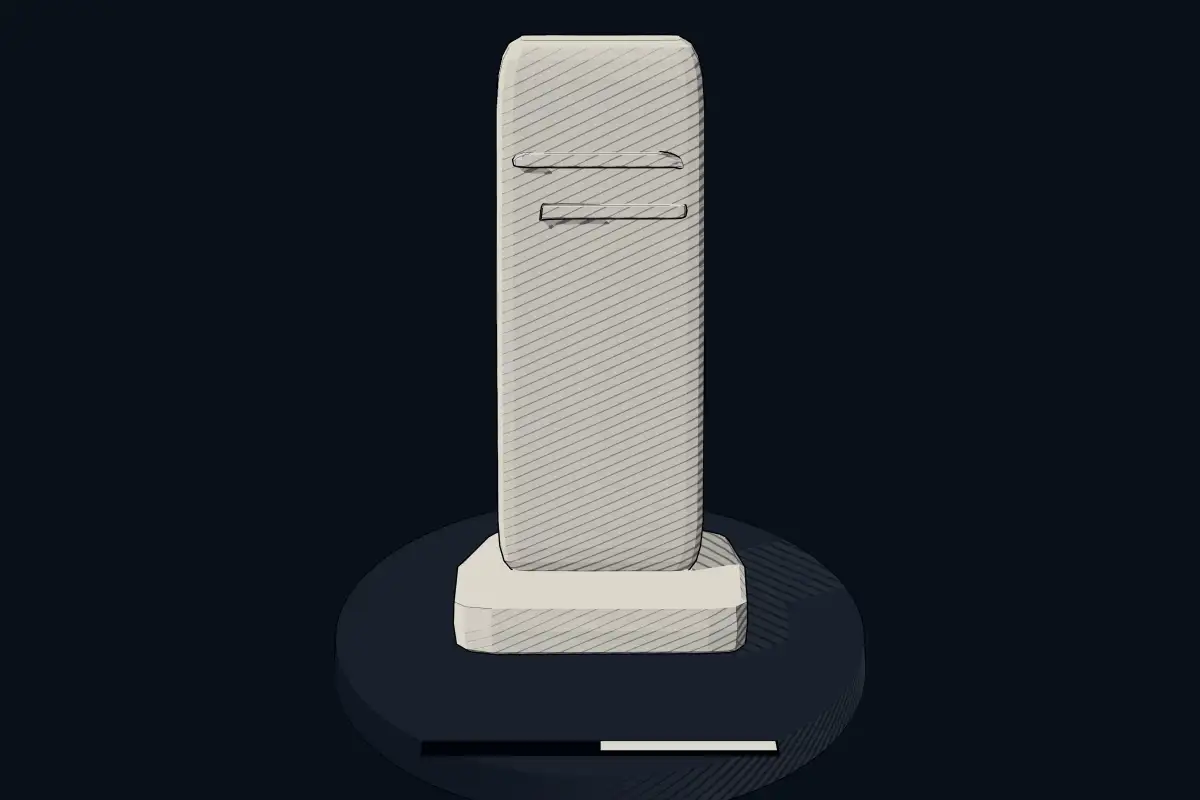
Dürlerstein
No licensed photograph yetWe have no photograph we may publish for this site, so the interpretive 3D view leads instead.
Overview
About this site
What the sources say
Der Dürlerstein ist ein Gedenkstein auf dem Grat des Uetlibergs bei Zürich östlich des Restaurants Uto Staffel.
Er erinnert an den Bergsteiger, Naturforscher und Zürcher Armensekretär Friedrich von Dürler, der am 8. März 1840 in einer Holzrinne unterhalb des Steins zu Tode stürzte. Er hatte mit Freunden eine Wette abgeschlossen, wer zuerst unten in der Stadt sei. Der bekannte Bergsteiger, der als erster Tourist den Tödi bestiegen hatte, setzte sich auf seinen Alpenstock und rutschte die vereiste Rinne hinab. Zuunterst stürzte er über eine Felsstufe zu Tode.
Die Inschrift auf der Bronzetafel lautet:
Hier stürzte hinab und starb
Friedrich von Dürler
den VIII März MDCCCXL
Trauernde Freunde
setzten ihm diesen Stein
Article in GermanRead on Wikipedia2 min readCC BY-SA 4.0
The full article
Dürlerstein: the whole story
In briefSources for this section
- Wikipedia (German): DürlersteinCC BY-SA 4.0
Sources for this section
- Wikipedia (German): DürlersteinCC BY-SA 4.0
The Dürlerstein is a memorial stone on the ridge of the Uetliberg near Zürich, east of the restaurant Uto Staffel. It commemorates Friedrich von Dürler, a mountaineer, naturalist and Zürcher army secretary, who died there on 8 March 1840.
Dürler had made a wager with friends about who would be the first to reach the bottom in the city. The noted climber, who had been the first tourist to ascend the Tödi, sat on his Alpine staff and slid down the icy channel. He fell over a rock step at the lowest point and was killed.
A bronze plaque bears the inscription: “Hier stürzte hinab und starb / Friedrich von Dürler / den VIII März MDCCCXL / Trauernde Freunde / setzten ihm diesen Stein”. The wording records his fall and death, and states that mourning friends set up the stone.
As a stele, the Dürlerstein belongs to a broad monument type that can include carved standing stones, funerary steles, Roman milestones and cippi, medieval cross-stones, wayside crosses and modern memorials. Such a type indicates a form rather than a period, and the Dürlerstein is a modern memorial within that wider group.
No English Wikipedia article exists for it; the full text below is the German article "Dürlerstein", shown in the original language.
Summary in EnglishSources for this section
- Wikipedia (German): DürlersteinCC BY-SA 4.0
Sources for this section
- Wikipedia (German): DürlersteinCC BY-SA 4.0
Dürlerstein is a stele in Canton of Zurich, Switzerland. No English Wikipedia article exists for it; the full text below is the German article "Dürlerstein", shown in the original language.
How this page was madeSources for this section
- Wikipedia (German): DürlersteinCC BY-SA 4.0
Sources for this section
- Wikipedia (German): DürlersteinCC BY-SA 4.0
The summary at the top of this page was written by MiniMax-M3 (2026-11-08) from the cited Wikipedia article “Dürlerstein”, translated from German. The numbers in it were checked automatically against the source text. The rest of the page is the article itself, the structured records and computed distances.
Tradition and region
About this kind of monument
Steles in Europe and elsewhere
A stele (or stela) is a stone or wooden slab, generally taller than it is wide, erected in the ancient world as a monument. The Greek and Roman use is well known. Its surface often has text, ornament, or both, inscribed, carved in relief or painted. Steles were created for many reasons: grave steles served funerary or commemorative purposes, slabs of stone were used as Greek and Roman government notices or as boundary markers, and steles were occasionally erected as memorials to battles.
The Atlas applies the heading to a very mixed group of monuments: carved standing stones of the Bronze Age and Iron Age, funerary steles of the classical and medieval periods, Roman milestones and cippi, medieval cross-stones, wayside crosses, and modern memorials. A reader should treat the type "stele" as a form and not as a date. Prehistoric steles, such as the statue menhirs of the Copper Age, are usually carved with a human figure and sometimes with weapons.
Because many steles carry a date or the name of a ruler, they are among the best dated stone monuments; for those that do not, the Atlas gives a broad range based on style.
The best-known examples show the range. The Gwanggaeto Stele in China, erected in 414 CE, is the largest engraved stele in the world; Maya stelae of the Classic Period (about 250 to 900 CE) are tall sculpted shafts paired with low circular altars; the first Armenian khachkars date from the ninth century; and the Grave Stele of Hegeso in Athens was carved about 410 to 400 BCE.
When visiting, read the inscription and note the carved figure or symbol.
Paraphrased from Wikipedia: Stele, Wikipedia: Statue menhir, Wikipedia: Menhir, Wikipedia: Wayside cross, Wikipedia: Grave Stele of Hegeso, Wikipedia: Gwanggaeto Stele · CC BY-SA 4.0
From the article
Dated moments in the story
- 1840
Er erinnert an den Bergsteiger, Naturforscher und Zürcher Armensekretär Friedrich von Dürler, der am 8. März 1840 in einer Holzrinne unterhalb des Steins zu Tode stürzte.
Source
Where it stands
Switzerland
The pin marks the monument itself — its exact point.
- Coordinates
- 47°20′47″ N, 8°29′47″ EFor a GPS or map app: 47.34640, 8.49639
Access is as our sources describe it; we have not visited the site to check.
Nearby
The closest sites in the Atlas, by straight line.
 Fürstengrabhügel Sonnenbühl
Photo: Roland zh , upload on 16. Oktober 2008 · CC BY-SA 3.0
- Megalithic mound (tumulus with integral stones)Tumulus Group
 cromlech de Käferberg
- Megalithic mound (tumulus with integral stones)Iron Age Tumulus Group
 Heizenholz iron age burial mound
- Megalithic mound (tumulus with integral stones)Grosshau; Late Iron Age/Roman cremation burial/fire graves
- Megalithic mound (tumulus with integral stones)Hohbühl, Iron Age burial mound group
 Häslerhau, Iron Age burial mound group


Sources
Every record behind this page, with the link it came from.
1 source behind this page
- 01Wikidata Q1272065wikidata.org
Report a correctionWrong date, name, photograph or source? Tell us and it will be put right.
Around this place
The ten nearest sites, by compass
- Fürstengrabhügel Sonnenbühl1.4 km NW
- Tumulus Group5.3 km W
- cromlech de Käferberg6.7 km N
- Iron Age Tumulus Group7.0 km SW
- Heizenholz iron age burial mound7.4 km N
- Grosshau; Late Iron Age/Roman cremation burial/fire graves14 km NW
- Hohbühl, Iron Age burial mound group17 km W
- Häslerhau, Iron Age burial mound group17 km W
- neolithic tumulus necropolis19 km N
- Nunneli20 km W
Credit
Text, licence and sources
Text from the Wikipedia article "Dürlerstein" (German), licensed CC BY-SA 4.0; authors are listed in the page history. Reused under CC BY-SA 4.0. Read on Wikipedia · Edit history and authors
- Wikipedia (German): DürlersteinCC BY-SA 4.0
- Wikidata Q1272065CC0